The Allure of Casino Atmosphere
The ambiance of a casino is meticulously crafted to heighten excitement and engage players’ senses. The use of bright lights, vibrant colors, and the sounds of spinning wheels and ringing coins creates an environment that draws people in. This sensory overload can lead to an altered state of consciousness, making players more susceptible to spending money and losing track of time. As they immerse themselves in this atmosphere, some might even look for a crypto casino without kyc to experience the thrill of gambling in a new way. The atmosphere is designed not just for entertainment but also to encourage prolonged engagement.
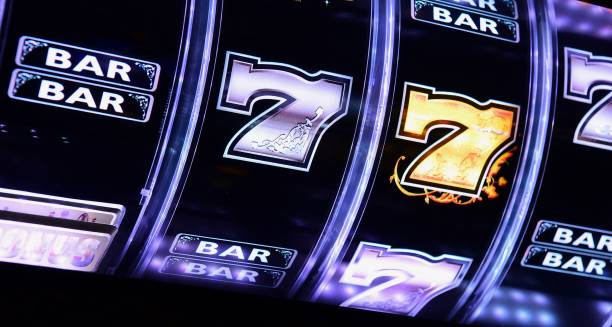
Moreover, psychological studies suggest that such environments can trigger the brain’s reward system, releasing dopamine, which reinforces the behavior of gambling. This pleasurable experience reinforces the desire to gamble, as players associate the casino environment with positive emotions, creating a loop that encourages repeat visits and spending.
The Role of Risk and Reward
At the heart of casino gambling lies the concept of risk and reward. Many players are drawn to the thrill of potentially winning big, which can create a compelling psychological experience. The possibility of hitting a jackpot or winning a significant payout can overshadow the reality of consistent losses. This risk-reward balance often leads to an adrenaline rush that keeps players coming back for more, as the excitement of a potential win can be much more stimulating than the disappointment of a loss.
This psychological phenomenon is compounded by the intermittent reinforcement schedule of most gambling games, where players experience wins at unpredictable intervals. This unpredictability creates a sense of excitement and anticipation, further enhancing the allure of gambling. As players chase their next big win, they may become engrossed in the process, often ignoring the statistical realities of their chances of winning.
The Emotional and Social Influences
Emotions play a significant role in gambling behavior. Many individuals seek solace in the excitement of gambling to escape from everyday stresses or emotional turmoil. The casino can serve as a refuge where players can temporarily forget their troubles. Furthermore, the social aspect of gambling—whether playing with friends or meeting new people—can add another layer of enjoyment. Casinos often encourage this social interaction, fostering a community of shared experiences that can further entice players to return.
Additionally, emotions such as hope, excitement, and even frustration can heavily influence decision-making while gambling. Players might increase their bets in the heat of the moment, driven by emotions rather than rational thought, which can result in significant financial losses. Understanding these emotional triggers is crucial for both players and casino operators alike, as they navigate the fine line between entertainment and excessive gambling.
Gambler’s Fallacy and Cognitive Biases
One of the most pervasive psychological factors in casino gambling is the gambler’s fallacy. This cognitive bias leads players to believe that past outcomes affect future events. For instance, a player might think that after a series of losses, a win is “due,” which can prompt them to continue gambling in hopes of recovering losses. Such misinterpretations of chance can heavily impact gambling behavior and decision-making.
Moreover, cognitive biases, such as the illusion of control, can cause players to overestimate their ability to influence outcomes. This belief can lead to increased betting and greater financial risk, as players may think they have more skill in games of chance than they do. Understanding these psychological biases is essential, as they often play a substantial role in gambling addiction and financial distress.

Understanding Gambling Habits Through Online Engagement
In today’s digital age, many players engage with casinos online, which introduces new psychological dynamics. The convenience of online platforms allows users to gamble without the sensory overload of a physical casino, eliminating some inhibitions but amplifying the risk of unchecked gambling behavior. This shift has led to increased research into the psychological impacts of online gambling and its influence on player habits.
Websites that facilitate online gambling must be aware of these psychological factors and the security measures necessary to protect users from potential harm. While the thrill of online gambling remains enticing, prioritizing player safety and providing support for those who may struggle with gambling addiction is crucial. Understanding these dynamics allows for the development of better policies and practices that promote responsible gambling in the digital landscape.